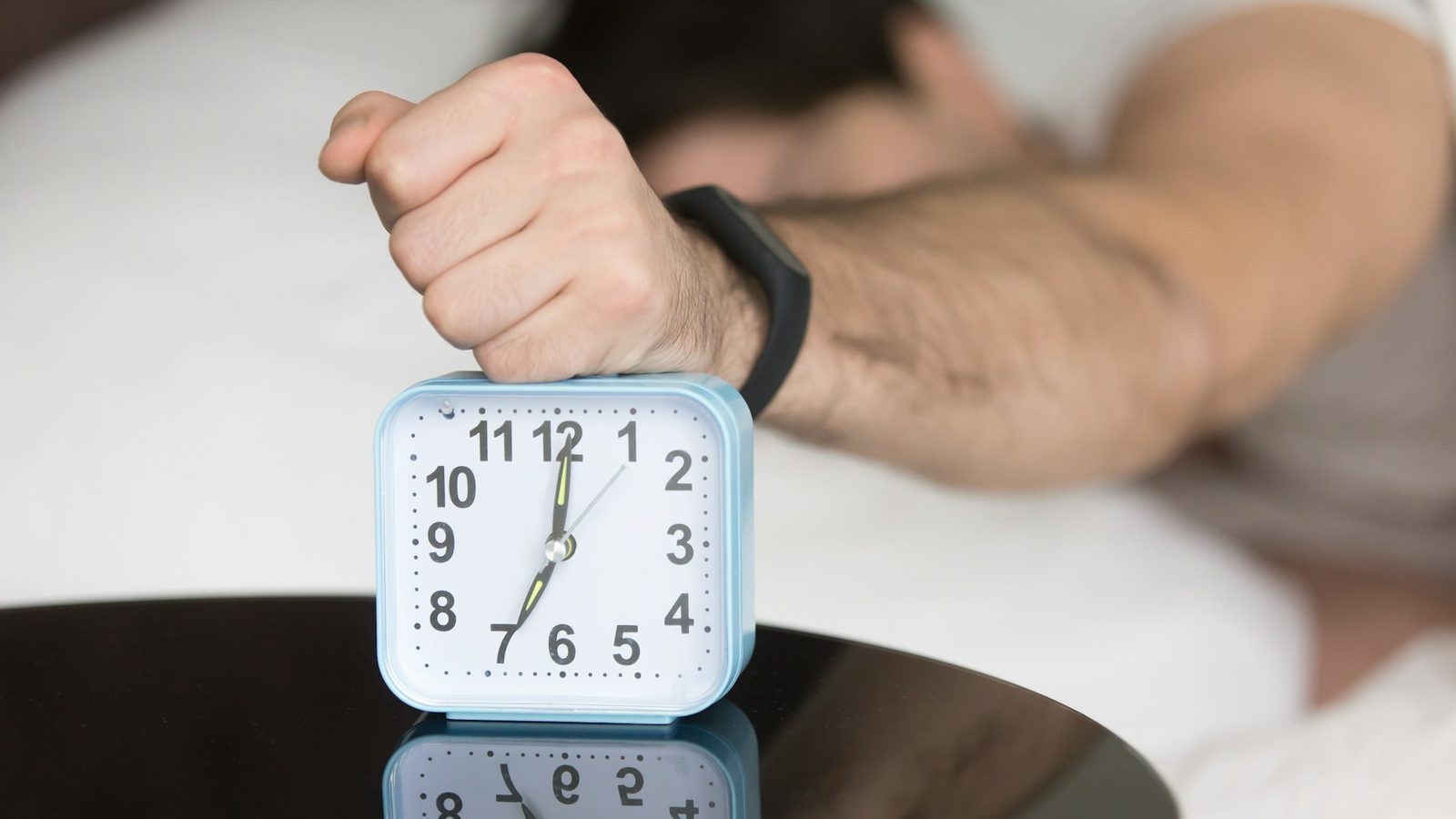
What Is Weky? The Loud Alarm Clock for Heavy Sleepers
Weky is the alarm app that makes you take a photo, do push-ups or solve math problems to turn it off. No snooze, a wake-up check, app blocking and streaks.
Read
Latest stories
What the science actually says about waking up — sleep debt, the snooze trap, streaks that stick, and morning routines that survive a Tuesday.
Weky is the alarm app that makes you take a photo, do push-ups or solve math problems to turn it off. No snooze, a wake-up check, app blocking and streaks.

The 21-day rule is a myth. Research puts the average at 66 days, with a huge range. Here's why, which habits take longest, and how to build one that lasts.

Your phone is built to be hard to put down. Here are the signs you're overusing it, what the research says it costs, and 10 steps to take back control without relying on willpower.

Fajr comes at the hardest hour of the night, and it moves every day. How to plan your sleep around it, and 10 practical tips to wake up for Fajr consistently.

Morning workouts are the easiest to keep and the hardest to start. What research says about exercising in the morning, and 10 tips to make it a habit, even if you're not a morning person.
Count back from your alarm, not forward from your evening. A bedtime table by wake-up time, how sleep cycles really work, and how to make bedtime stick.

Everything you need to set Weky up properly: alarms, one mission or five in a row, the wake-up check, app blocking from bedtime, habits, and the setup that works best for heavy sleepers.
Ten hours, three, two, one, zero: a bedtime countdown for caffeine, food, work, screens and the snooze button. What each number means, the 10-5-3-2-1 variant, what the research actually supports, and how to make it stick.
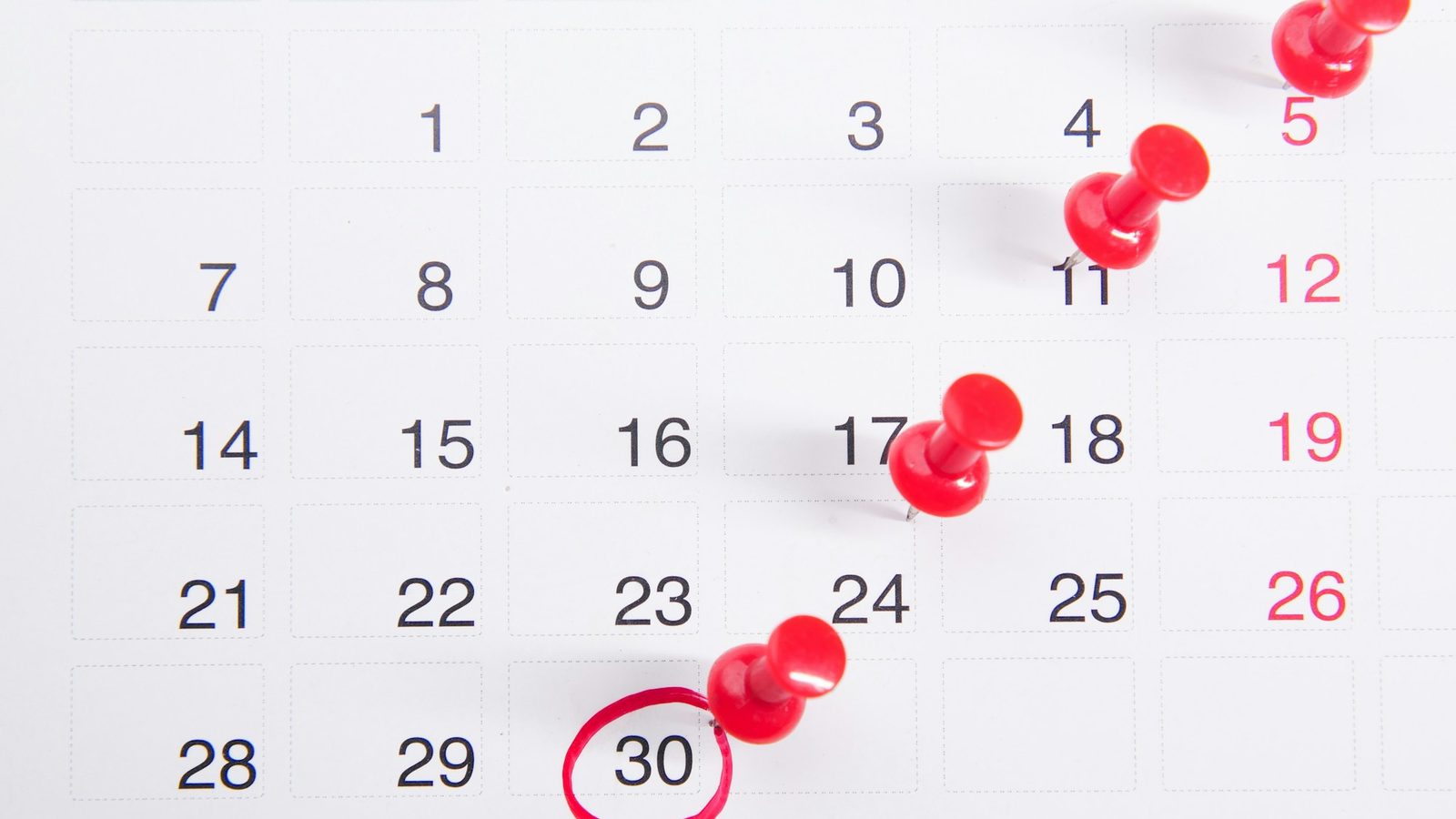
The Clock app only knows times and weekdays, not dates. Four workarounds that actually ring on the day you need, what Siri can do, and how to get an alarm that tells you what to do.
A mission alarm that makes sure you're up, locks your feeds at night and tracks your habits, with no ads. Here's how Weky works and how it compares.
ADHD mornings aren't a willpower problem. Research shows a later body clock and different time perception. Here's what an alarm app for ADHD should do — and how Weky is built for it.
Snooze, oversleep or scroll until 1 a.m.? Why Weky is the iPhone alarm built for that, and when the built-in Clock app is enough.
Going to bed at 3 a.m. and waking at noon? A step-by-step reset for a ruined sleep schedule — why the wake time is the lever, how light moves your body clock, and why all-nighters backfire.
The alarm rings, you're awake, and your body simply won't move. Why getting out of bed feels impossible some mornings — and nine practical ways to get up the moment the alarm goes off.

Oversleeping isn't laziness. It's usually sleep debt, a late body clock or an alarm that's too easy to switch off. What counts as oversleeping, why it happens, and how to stop.

Waking up early isn't about willpower at 6 a.m. — it's about moving your body clock. A three-week plan that works even for night owls, backed by sleep research.
A morning routine doesn't need to take two hours. A science-backed checklist with 10, 30 and 60-minute versions — and how to make it stick when you'd rather stay in bed.

You're exhausted, you know you should sleep, and you stay up anyway — because it's the only time that feels like yours. What revenge bedtime procrastination is, why it happens, and how to break the cycle without giving up your evening.

That heavy, foggy feeling after the alarm has a name — sleep inertia — and it's why you make terrible decisions at 6:30 a.m. What causes it, how long it lasts, and how to shake it off faster.
You don't hit snooze because you're lazy. You hit it because a half-asleep brain is making the decision. Nine fixes that take that decision away — and what research says about snoozing.
A gentle alarm makes waking softer. Weky makes sure you get up. How the two compare, and why the minutes after the alarm matter most.
Sleep debt, deep sleep, a body clock running late, and the alarm you switched off without remembering. The seven reasons people sleep through alarms — and what actually fixes each one.

An alarm that won't stop until you photograph your coffee mug, the sky or your made bed. How photo alarms work, why they beat loud alarms, and how to set one up on iPhone.

An alarm that won't stop until you solve three equations sounds cruel. It works — mostly. Why math alarms beat sleep inertia, where they fail, and how to fix that.

An alarm that only stops after your camera counts real push-ups. How push-up alarms work, why exercise beats a louder ringtone, and what to do if you can't do a single push-up yet.
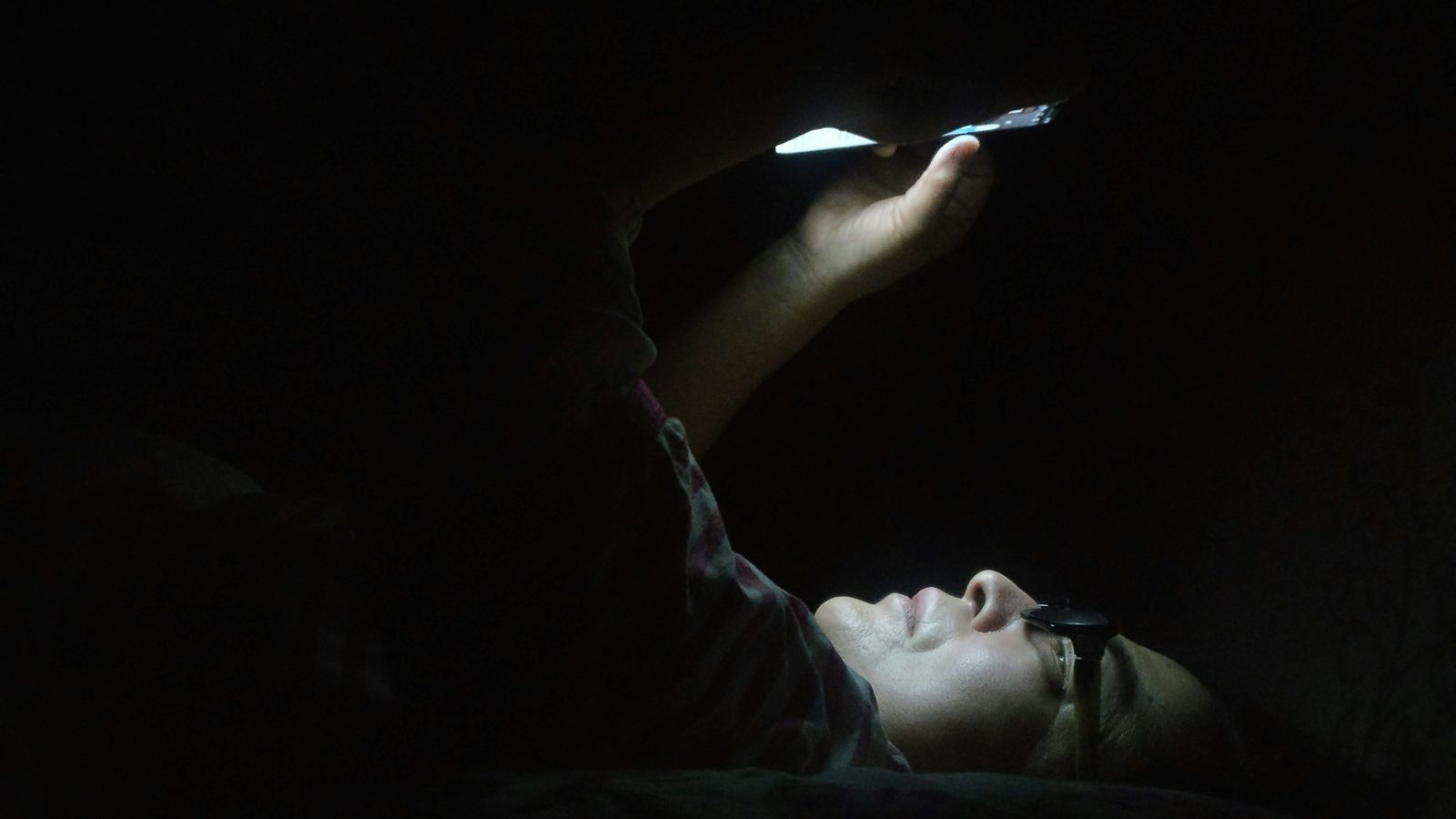
It's midnight, you're exhausted, and you're still scrolling. Why bedtime scrolling is so hard to stop, what it does to your sleep, and eight fixes that work without relying on willpower.
Nearly a third of US adults sleep six hours or less. The evidence-based version: what actually improves sleep quality, how many hours are enough, and when trouble sleeping needs a doctor.
We're writing the opening run of articles on sleep, snoozing and the habits that make mornings easier. Leave your email and they'll land in your inbox.
Weky is the alarm that won't switch off until you've actually done something. No snooze — just genuinely awake.