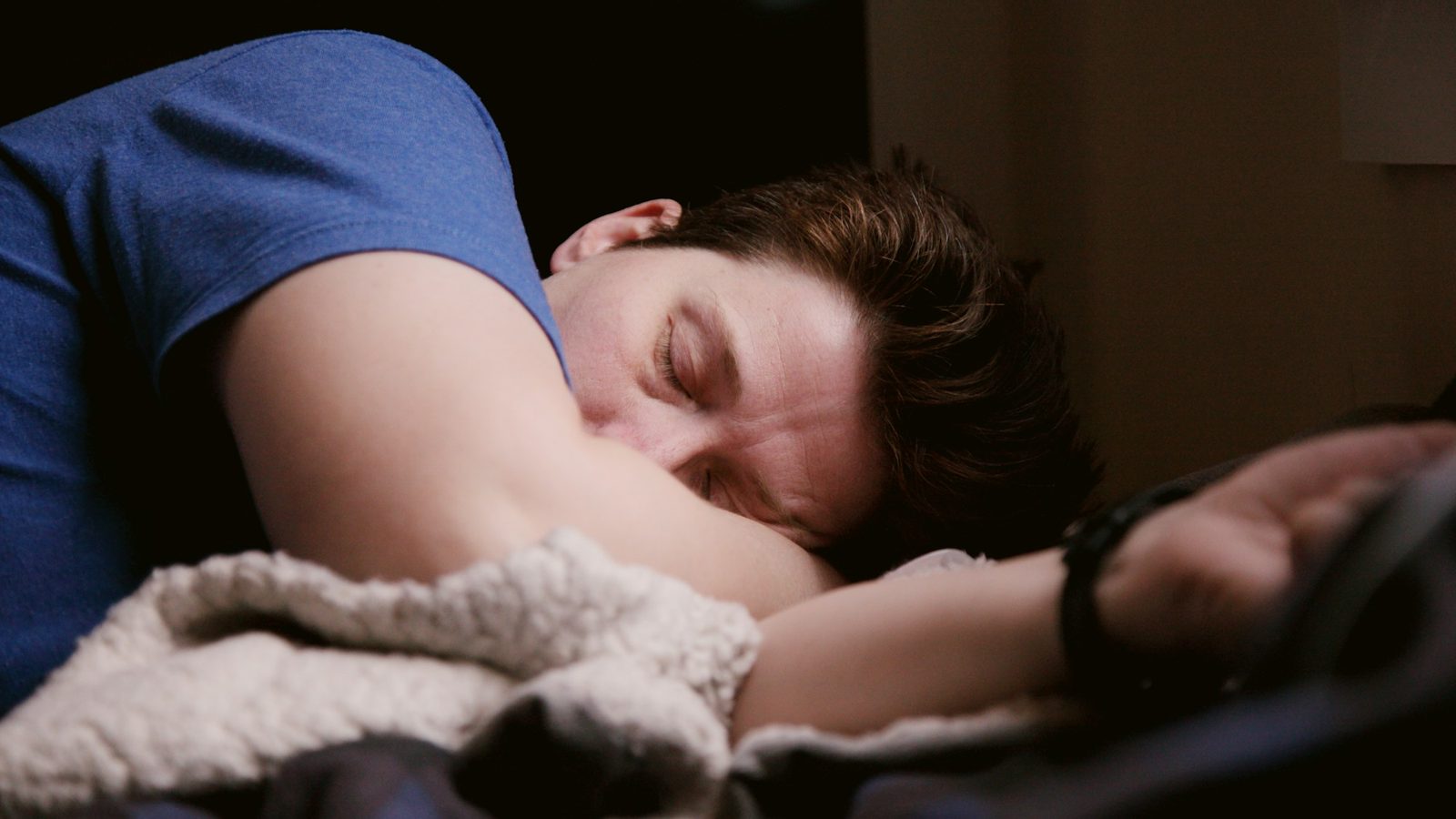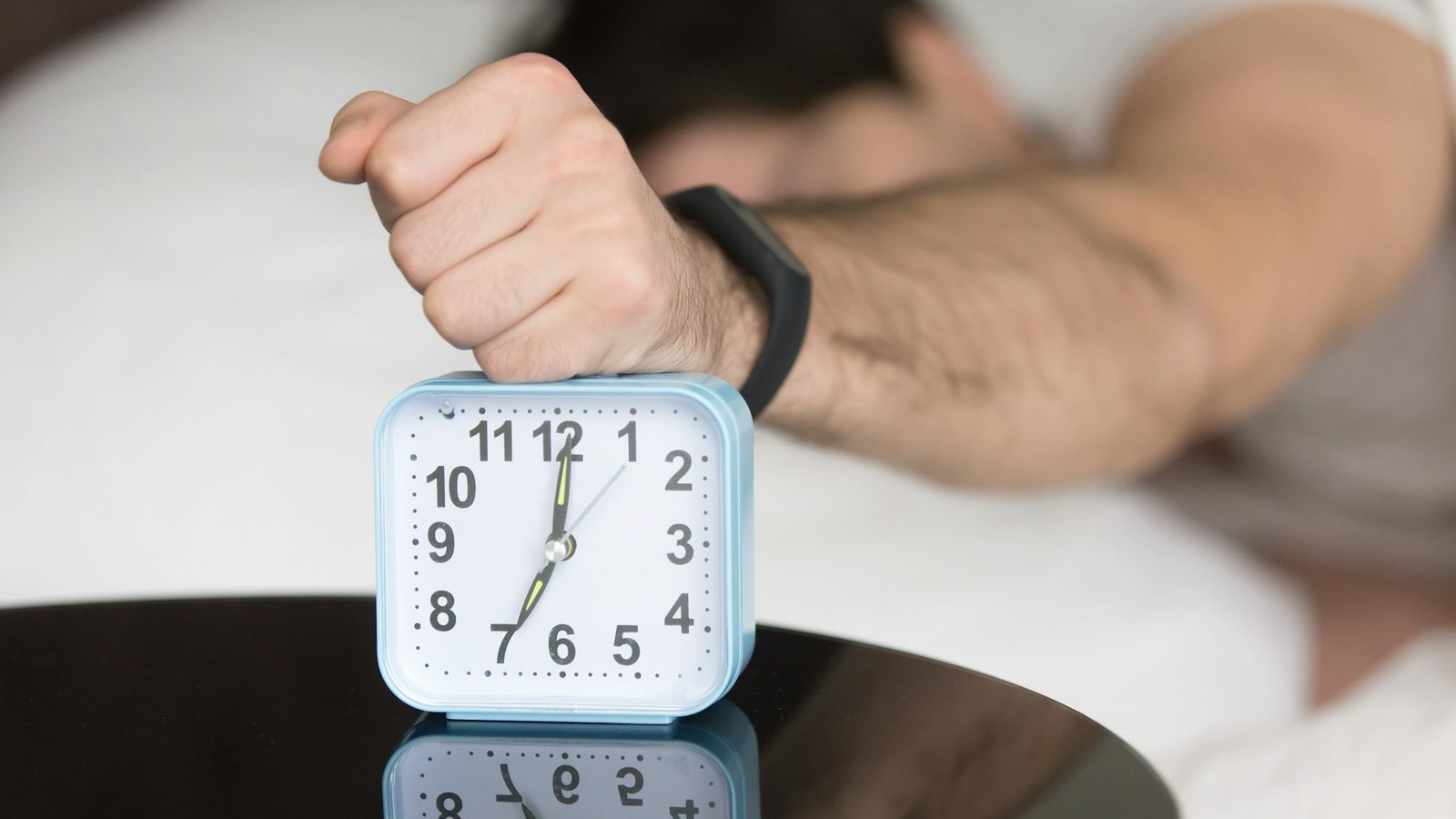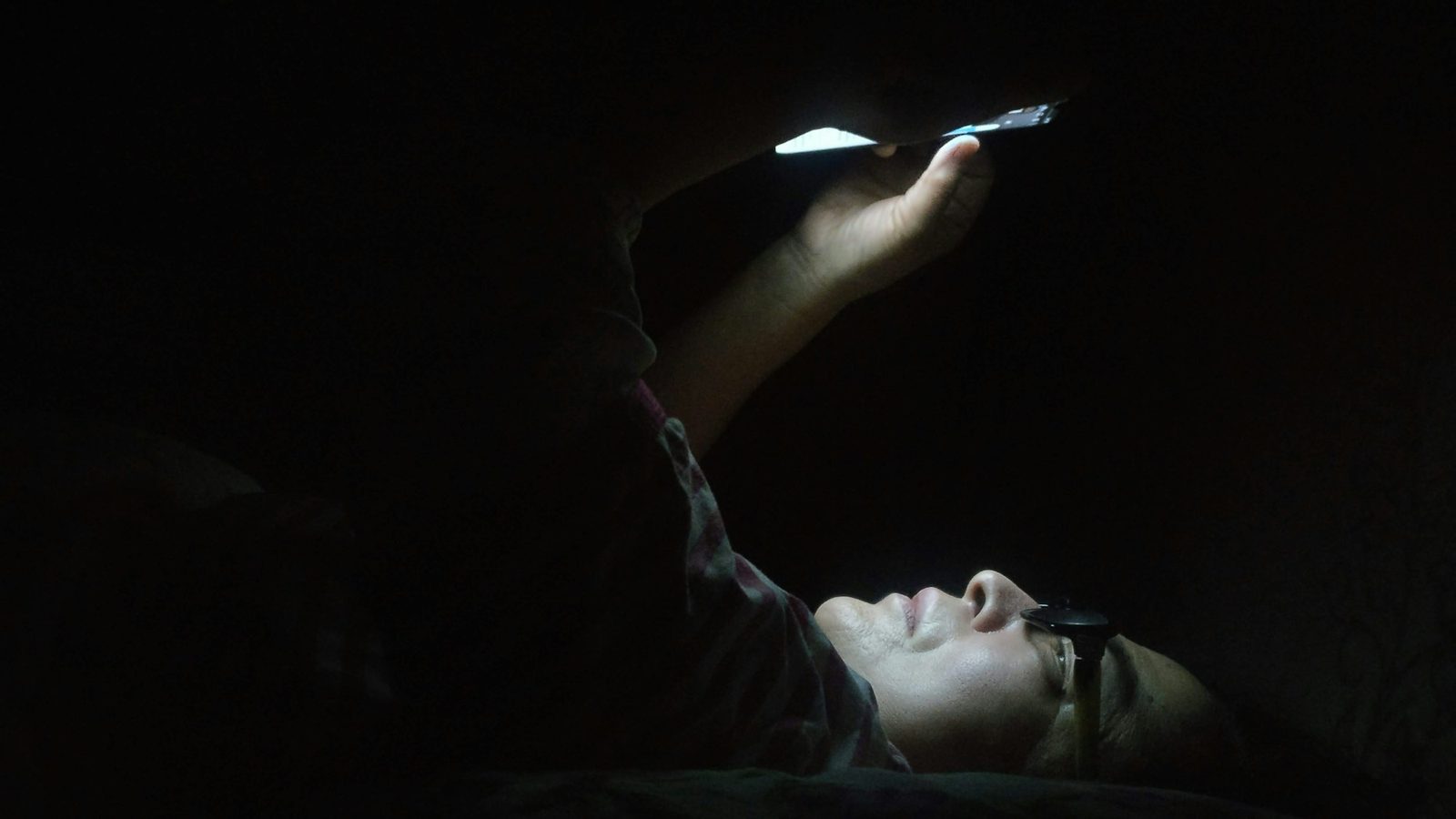
To stop hitting snooze, take the decision away from your half-asleep self: switch snooze off (or use an alarm without one), put the alarm where you have to get out of bed to stop it, and make stopping it require a task you can't do lying down. Then fix the cause — get enough sleep at a consistent time so the first alarm isn't a fight. Willpower alone fails because the person who presses snooze is in sleep inertia, not thinking clearly.
If you set three alarms and hit snooze on all of them, you're in good company. In a 2022 study of 450 people, 57% snoozed. Snoozing is common because it's easy: when the alarm goes off, the button is right there, under your thumb, at the exact moment your judgment is worst. Those extra minutes feel like a gift. They rarely are.
Key takeaways
- Snoozing isn't a character flaw. It's a decision made during sleep inertia, when you're foggy and the easiest option wins.
- Research is mixed on harm. A short snooze isn't dangerous; the problem is the snooze that becomes an hour of oversleeping.
- Remove the option. Turn off snooze or use an alarm without a snooze button.
- Make stopping the alarm physical. Out of reach, in another room, or behind a task like push-ups or a barcode scan.
- Fix the cause: more sleep, a regular wake time and morning light make the first alarm easier.
Why do I keep hitting snooze every morning?
Four reasons come up again and again, and most snoozers have more than one.
You're not getting enough sleep
The most common cause is the simplest. In studies, people who snooze report shorter sleep and more morning drowsiness. If your body still needs another hour, it will bargain for it, nine minutes at a time — that's not a lack of mindset, it's how much sleep you're missing. The CDC recommends at least seven hours a night for adults.
Your wake time keeps moving
Waking at 6:30 on weekdays and 10:00 at weekends gives your body clock a different target every few days — researchers call it social jet lag. Monday's alarm then rings at what feels like 4 a.m., and you hit the snooze button before you're even awake.
You're a night owl on an early schedule
Both big snoozing studies found that later chronotypes — people whose body clock runs late — snooze more. That's biology, not laziness, but it can be shifted with morning light and a fixed wake time.
Your brain isn't awake when it decides
Sleep inertia, the grogginess right after waking, impairs thinking for anything from a few minutes to an hour. You can switch off or snooze an alarm in that state and not remember doing it. Repeat that every morning and the movement becomes a habit your hand performs on its own — which is why so many people unconsciously snooze.
Is hitting snooze unhealthy?
The honest answer: it's less harmful than its reputation, and more costly than it looks.
In a 2023 lab study, habitual snoozers who snoozed for 30 minutes performed as well or slightly better on cognitive tests right after getting up than when woken abruptly, with no clear effect on mood, the morning cortisol rise or their overnight sleep. Snoozing cost them about six minutes of sleep. So a single short snooze is not a health problem.
The costs come from what snoozing turns into. Snoozers in a separate study showed lighter, more disturbed sleep before waking and a raised resting heart rate. More practically, a snooze habit is how a 6:30 alarm becomes an 8:10 start, a missed class, a missed flight. You don't need the research to tell you whether that's happening; your mornings already do.
9 ways to stop hitting snooze and get moving
Most lists offer 6 ways to wake up early in the morning. These nine are ordered by how much they take the decision away from you — the first few work even if you're not a morning person.
1. Turn off snooze on your alarm
On iPhone: open the Clock app (your default alarm clock), tap Edit, choose the alarm and switch Snooze off. It sounds too simple to work, but removing the snooze button on your alarm removes the default. Now the only options are stop or get up.
2. Put your alarm out of reach
The classic fix: charge your phone across the room so you have to get out of bed to stop it. It works — until you learn to walk over, turn it off and walk back. That's why the next fixes add a task.
3. Make the alarm ask for something you can't do asleep
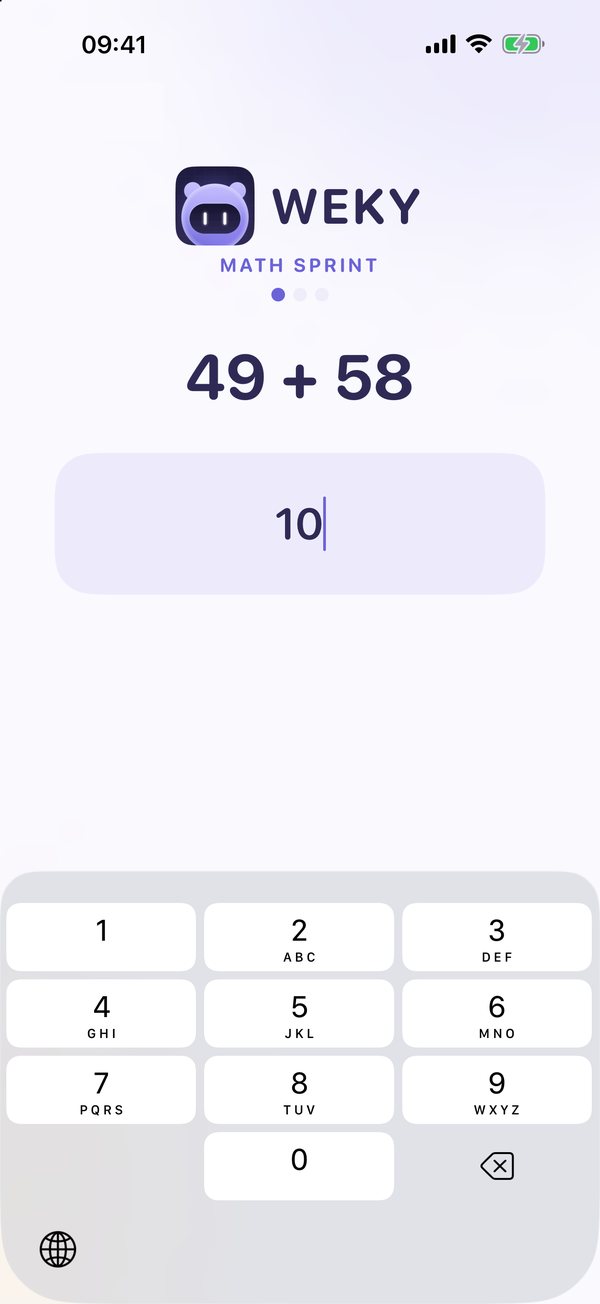
A mission alarm won't stop until you solve math problems, retype a phrase, do push-ups, or photograph something. Your eyes have to open, your hands have to work, your brain has to engage. By the time you finish, you're past the worst of the inertia. Math alarms work well for the brain; push-up alarms for the body.
4. Make it end somewhere else
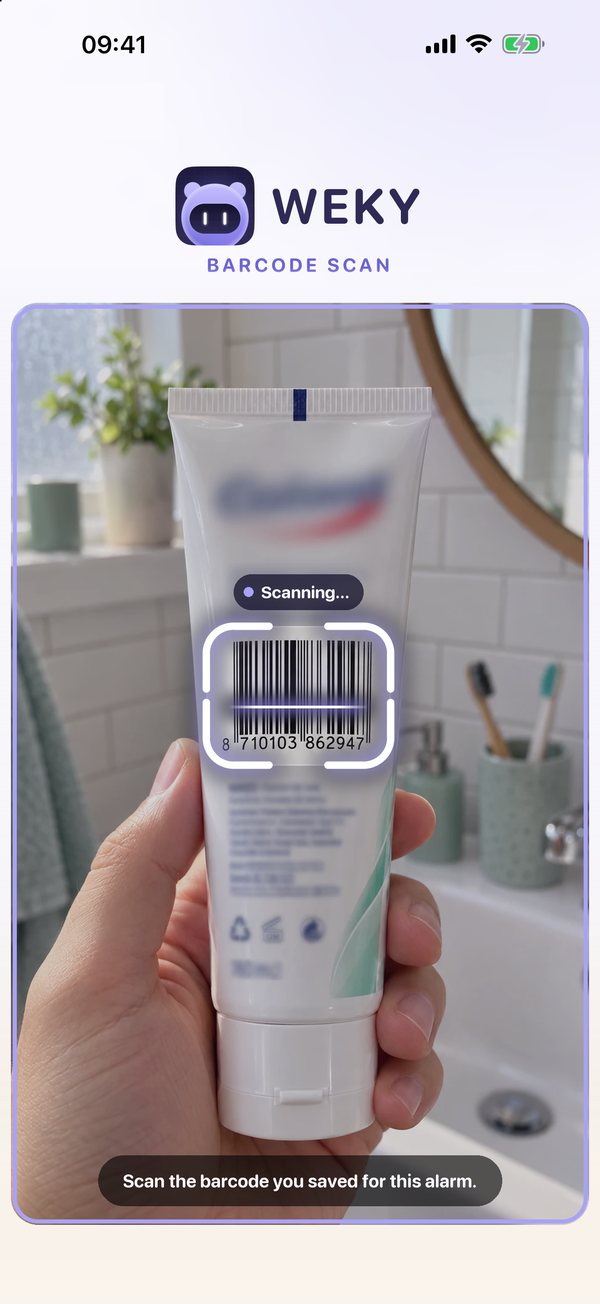
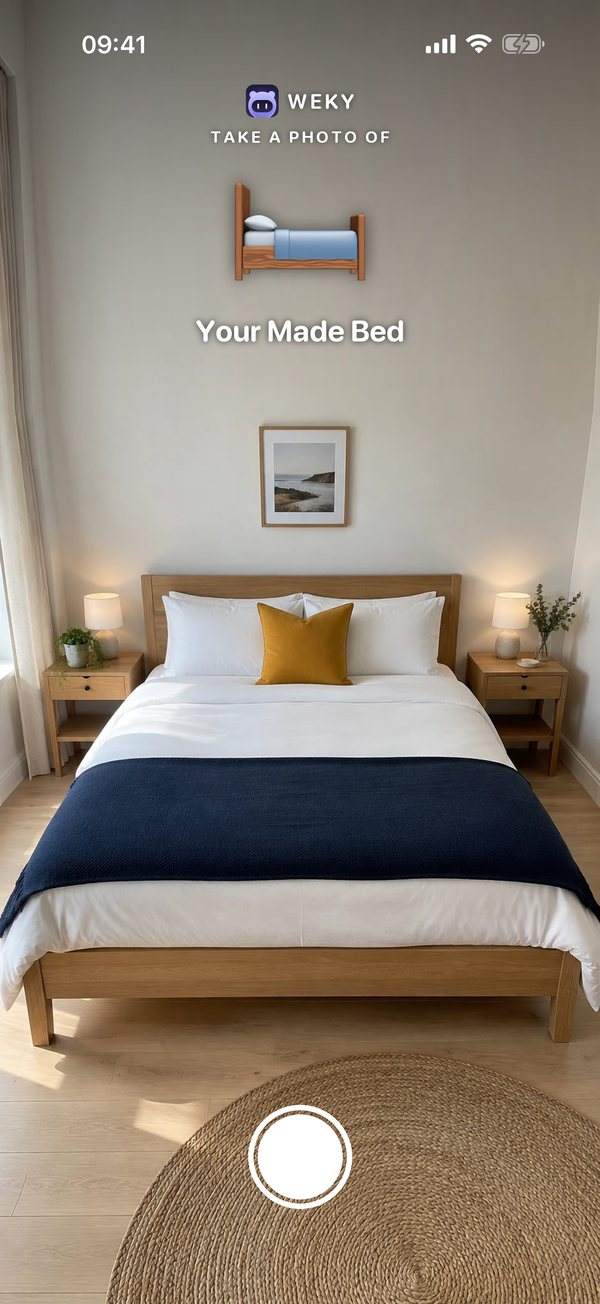
Register the barcode on your toothpaste or coffee and make scanning it the only way to stop the alarm. Now it ends in the bathroom or kitchen, with your feet on the floor. Photographing your made bed or the sky does the same.
5. Add a second ring
The sneakiest failure isn't snoozing, it's finishing the task and climbing back into bed. A wake-up check rings again a few minutes later and asks for one more proof. If you're asleep again, it catches you.
6. Use one alarm, not five
Multiple alarms train you that the first one doesn't count. When you set your alarm, set it for the time you truly need to wake up — not an alarm early "just in case" — and make it the only one. One alarm, one decision.
7. Get light and movement in the first five minutes
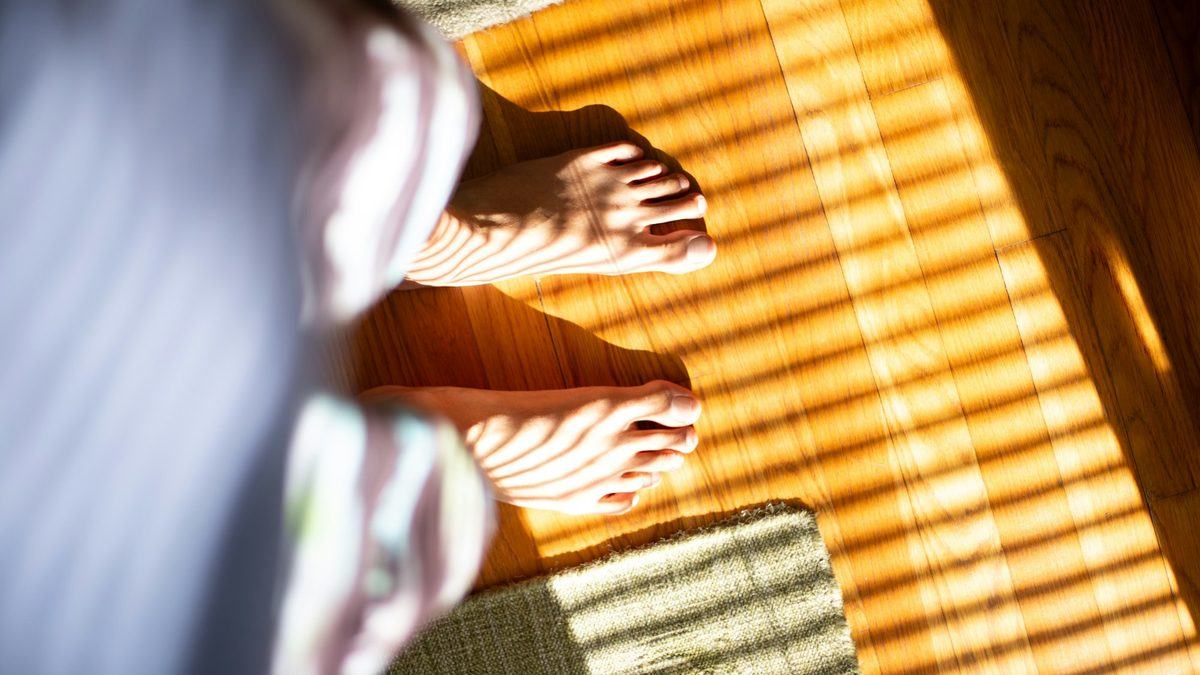
Open the curtains, turn on the brightest light, or step outside — morning light is the strongest signal to your body clock. Then get moving: ten squats, a few push-ups, get dressed straight away, or take a shower. Raising your heart rate helps you wake and feel alert faster; a sunrise walk does both.
8. Go to sleep earlier, at the same time every night
If you snooze every single day, you probably need more sleep. Going to sleep 15 minutes earlier each night — so you fall asleep sooner — until the first alarm stops feeling like an emergency is the cure for the exhaustion behind it, and keep the wake time the same seven days a week. If late-night scrolling is what keeps you up, block those apps from bedtime — see how to stop scrolling at night.
9. Build a morning routine with a reason, and a score
Plan something you'll get excited about — coffee on the balcony, fitness at the gym, ten quiet minutes of productivity before everyone else wakes. Then track it. A streak of mornings without hitting snooze becomes something you don't want to break — small daily wins keep you accountable. The "5-second rule" popularised by Mel Robbins — count down 5-4-3-2-1 and move — works on the same idea: act before the bargaining starts.
How Weky makes snoozing impossible
If you want to stop hitting the snooze button for good — no excuse, no "press snooze once" — the alarm itself has to change. We built Weky to help people who've tried the list above get up on time, every morning. It combines the fixes that remove the decision:
- No snooze button. Not hidden, not a setting — it doesn't exist.
- Ten wake-up missions, including math, typing, push-ups, squats, a barcode scan and photos of the sky or your made bed. Stack several on one alarm.
- A wake-up check about ten minutes later, with the same mission or a random one.
- App blocking from the bedtime you choose until your morning mission is done, so the night doesn't steal the morning.
- Strict streaks: one missed morning and it resets to zero, which makes every early morning worth protecting.
And it rings every time. Weky schedules a real system alarm, so it rings on the lock screen in Silent mode, Sleep, Work or any Focus — even after a force-quit or a restart — without running in the background or draining your battery.
A one-week routine to wake up on time without hitting snooze
| Day | Change |
|---|---|
| 1 | Turn snooze off, or switch to an alarm without one. Set a single alarm. |
| 2 | Move the phone or add a mission that gets you out of bed (barcode, sky photo). |
| 3 | Lights on and curtains open within a minute of getting up. |
| 4 | Bedtime 15 minutes earlier; block late-night apps from that time. |
| 5 | Add a second mission or a wake-up check if you slipped back to sleep. |
| 6–7 | Same wake time at the weekend. Protect the streak. |
By the end of the week, most people find the first alarm is no longer a negotiation, and they wake up feeling less tired. If you still can't wake up even with seven or more hours of sleep, read why you sleep through your alarm — persistent difficulty waking can be a sign of a sleep disorder worth discussing with a doctor.
Frequently asked questions
Why do I keep hitting snooze?
Usually because you're short on sleep, your wake time drifts from day to day, or you're a late chronotype waking before your body is ready. On top of that, the decision is made during sleep inertia, when judgment is at its worst, so the easiest option wins.
Is there a way to disable snooze?
Yes. On iPhone, open the Clock app, tap Edit, choose the alarm and switch off Snooze. Some alarm apps, such as Weky, have no snooze button at all and only stop after you complete a task.
Is hitting snooze unhealthy?
Occasional snoozing isn't harmful. A 2023 lab study found 30 minutes of snoozing didn't hurt cognition, mood or overnight sleep for habitual snoozers. The real costs are lost sleep you could have had in one block, and snoozes that turn into oversleeping.
Why do I unconsciously snooze my alarm?
You can switch off or snooze an alarm without fully waking, during sleep inertia, and not remember it. Habit makes the movement automatic. Putting the alarm out of reach or using an alarm that needs a task to stop removes that automatic path.
Does hitting snooze make you feel more tired?
It can. Each snooze cuts your sleep into fragments of light sleep, and if a snooze lets you drift into deeper sleep, the next alarm wakes you groggier. Research is mixed, but most people feel better with one alarm and one decision.
Can getting more sleep help me stop snoozing?
Yes. Snoozers in studies report shorter sleep and more morning drowsiness. Going to sleep earlier, at a consistent time, is one of the most effective ways to make the first alarm easier.
References
- Mattingly SM, Martinez G, Young J, et al. Snoozing: an examination of a common method of waking. Sleep, 2022;45(10):zsac184.
- Sundelin T, Landry S, Axelsson J. Is snoozing losing? Why intermittent morning alarms are used and how they affect sleep, cognition, cortisol, and mood. Journal of Sleep Research, 2024;33(3):e14054.
- Hilditch CJ, McHill AW. Sleep inertia: current insights. Nature and Science of Sleep, 2019;11:155–165.
- Roenneberg T, Allebrandt KV, Merrow M, Vetter C. Social jetlag and obesity. Current Biology, 2012;22(10):939–943.
- Wright KP, McHill AW, Birks BR, et al. Entrainment of the human circadian clock to the natural light-dark cycle. Current Biology, 2013;23(16):1554–1558.
- Centers for Disease Control and Prevention. About Sleep.
- Apple Support. Set an alarm in Clock on iPhone.