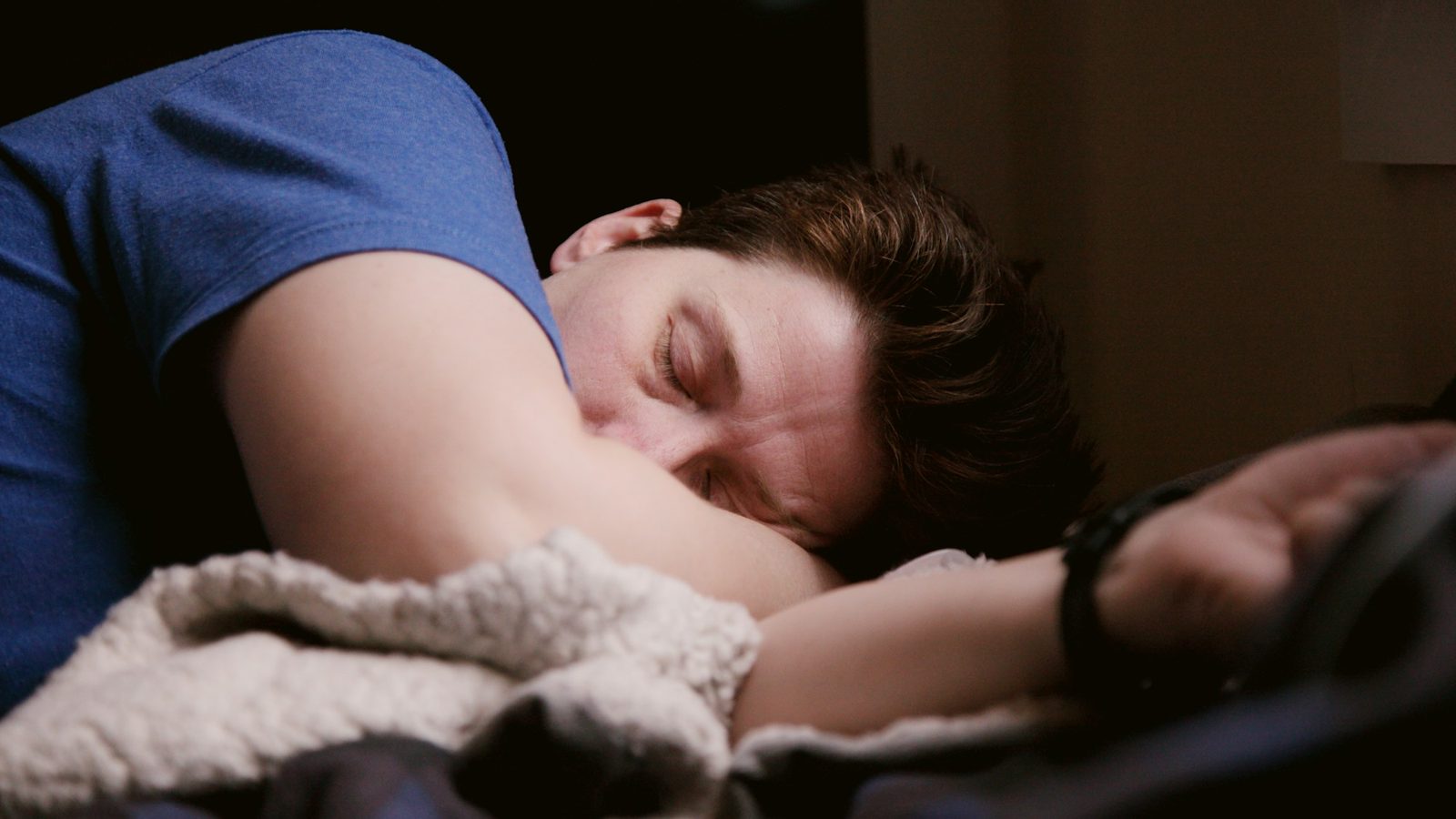
Sleep inertia is the grogginess, slowed thinking and strong urge to go back to sleep you feel right after waking. It usually lasts 15 to 30 minutes, and is worst after short sleep, after waking from deep sleep, and when you wake at a time your body clock considers night. To get rid of it faster: get up, get bright light, move, drink water and give your brain a task — and over the long term, get enough sleep on a regular schedule.
Sleep inertia is why the snooze button exists. In the minutes after the alarm, you are awake enough to act but not awake enough to think, and the decisions you make in that state — "I'll get up in ten minutes", "I don't really need to go to the gym" — are some of the worst of your day.
Key takeaways
- It's real and measurable. Thinking right after waking can be as impaired as after a night without sleep.
- It usually fades within 15–30 minutes, but can last longer after short sleep or waking from deep sleep.
- Three things make it worse: sleep deprivation, waking from slow-wave sleep, and waking during your biological night.
- Light, movement and a task shorten it. Lying still with your eyes closed prolongs it.
- Long naps cause it too. Keep naps short — about 20 minutes — to avoid post-nap grogginess.
What is sleep inertia? The science of morning grogginess
Sleep inertia is the transitional state between an episode of sleep and full wakefulness — a physiological process, not a character trait. Your brain doesn't switch on all at once: the regions responsible for basic arousal come back first, while those that handle attention, judgment and memory lag behind. The result is reduced alertness, drowsiness, mental fogginess, slower reaction time, poorer cognitive performance and a strong drive to return to sleep. These sleep inertia effects are why it matters for safety-critical jobs: doctors on call, pilots and emergency services workers often have to act soon after waking.
The effects are bigger than most people assume. In a 2006 study in JAMA, participants' performance on arithmetic tasks in the first few minutes after waking was as impaired as — or worse than — after 24 hours or more without sleep. It improved steadily over the first hour after waking.
What does sleep inertia feel like?
- Heavy limbs and a strong urge to lie back down
- Foggy, slow thinking; trouble following conversations
- Slower reactions and clumsiness
- Irritability and low mood for the first minutes
- Sometimes brief disorientation — not knowing what day or time it is
- Switching off an alarm with no memory of it later
How long does sleep inertia last after awakening?
For most people, the worst of it passes within 15 to 30 minutes after waking. The impairment is strongest in the first few minutes immediately after awakening and fades over time. After short sleep, waking from deep sleep or waking very early, some reduced alertness can linger up to 60 minutes after waking or longer. Researchers describe the intensity and duration as depending on prior sleep deprivation, which sleep stage you wake from, and your body clock.
| Situation | Severity of sleep inertia |
|---|---|
| Natural waking after enough sleep, at your usual time | Mild, a few minutes |
| Alarm during light sleep | Mild to moderate |
| Alarm during deep (slow-wave) sleep | Strong |
| Short sleep or chronic sleep deprivation | Strong and longer |
| Waking in your biological night (very early, night shifts) | Strong |
| Waking after a 60–90 minute nap | Often strong |
What causes sleep inertia?
Waking from deep sleep
Slow-wave sleep, the deepest stage of non-rapid eye movement sleep and the most restorative part of the sleep cycle, is when your brain is least ready to be awake. Being pulled out of it — by an alarm, a phone call or an on-call shift — produces the most severe sleep inertia. That's also why it's so hard to wake up from a long nap. Waking from REM sleep or lighter sleep stages is usually easier.
Chronic sleep deprivation and short sleep duration
When you've had too few hours of sleep, your brain prioritises deep sleep and resists waking. Prior sleep loss makes sleep inertia both stronger and longer, so a short night means a foggier morning. Chronic sleep deprivation makes every morning harder.
Circadian misalignment
Your body's internal clock sets a daily rhythm of alertness, core body temperature and melatonin — the circadian rhythm. Waking at a time your clock still thinks is night — very early, or after jet lag, or as a night owl on an early schedule — adds to the grogginess.
Sleep disorders and medication
Conditions that disrupt or deepen sleep, such as sleep apnea or idiopathic hypersomnia, and sedating medications can make morning grogginess severe. Many people with ADHD also report strong sleep inertia, often linked to a delayed body clock.

How to get rid of sleep inertia faster
1. Get up and move
Standing up and moving raises your heart rate, blood flow and body temperature, all of which push you towards wakefulness. Even a minute of movement helps; a few push-ups or squats help more.
2. Get bright light
Light is the strongest wake signal your brain receives. Open the curtains, turn on the brightest lights, or step outside. Researchers have tested bright and blue-enriched light as a countermeasure for people who have to perform immediately after waking.
3. Give your brain a task
Arithmetic, reading or typing force the slow-to-start parts of your brain to engage. That's the principle behind mission alarms: solving three equations or retyping a sentence is hard in the first minute, and by the time you've done it, you're past the worst.
4. Choose your alarm sound
A study of reported waking sounds found that melodic, rhythmic alarms were associated with less grogginess than harsh beeps. Keep it clear rather than shrill.
5. Water, and maybe caffeine
A glass of water is an easy first step. A caffeinated drink can reduce sleep inertia, but it takes time to act; some people use a "coffee nap" — coffee immediately before a short nap — so it kicks in on waking.
6. Keep naps short
To avoid post-nap sleep inertia, keep naps to about 20 minutes so you don't enter deep sleep; longer naps make you feel groggy. If you need longer, a full 90-minute cycle is less groggy than 45–60 minutes.
7. Fix the night
The most effective long-term countermeasure is better sleep quality and sleep health: enough sleep at a consistent time, so you fall asleep faster and wake up feeling clearer. Seven or more hours, the same wake time every day, and morning light make sleep inertia shorter and milder. Our guide on how to sleep better at night covers the basics, and how to wake up early explains how to shift your body clock.
Sleep inertia and the snooze button
Does snoozing make sleep inertia worse? The research is more forgiving than you might expect. In a lab study of habitual snoozers, 30 minutes of snoozing didn't harm cognitive performance on waking and may even have helped a little, mainly by preventing awakenings from deep sleep.
The real problem is behavioural. Sleep inertia is exactly when you press snooze, switch the alarm off, or decide to skip the morning plan — and you may not remember doing it. A short snooze is fine; a snooze button you can't resist at 6:30 is what turns a 7:00 start into a 9:00 one. More in how to stop hitting snooze.
How Weky is designed around sleep inertia
Since you can't think clearly in the first minutes after waking, Weky doesn't ask you to. It removes the decisions sleep inertia gets wrong and replaces them with actions that wear it off:
- No snooze button. Nothing to press half-asleep.
- Brain missions — Math Sprint, typing — engage the slow-starting parts of your brain.
- Body missions — push-ups and squats counted on camera — raise your heart rate.
- Light missions — photograph the sky or your made bed — get you up, curtains open.
- A wake-up check about ten minutes later catches you if you lay back down while still groggy.
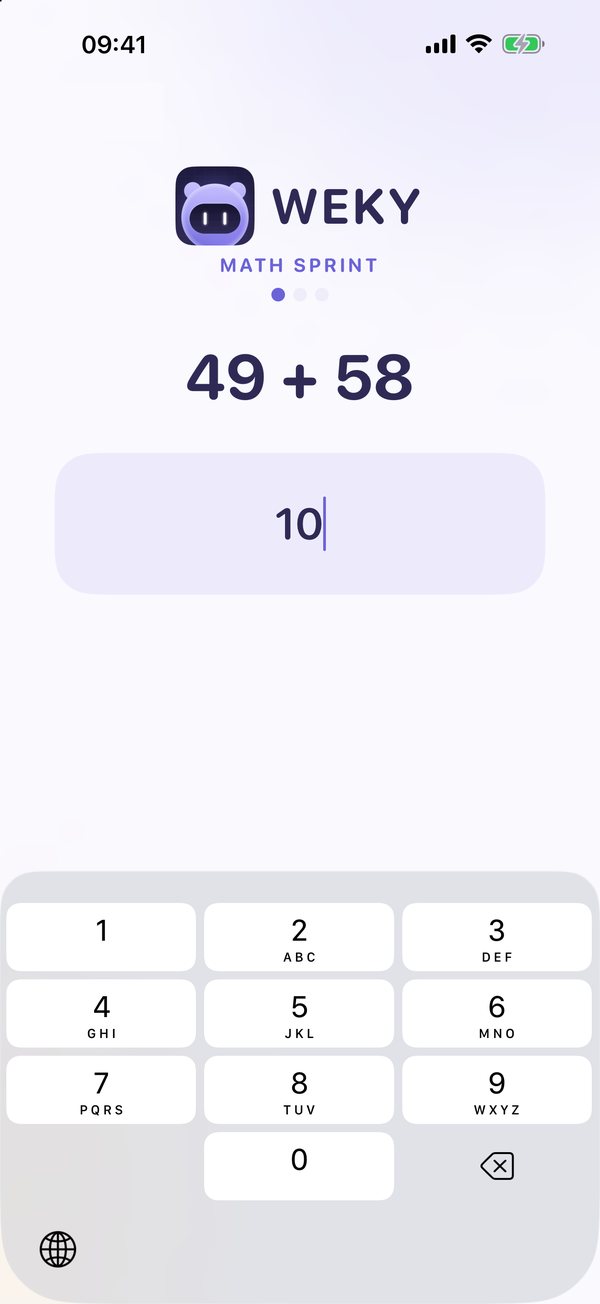
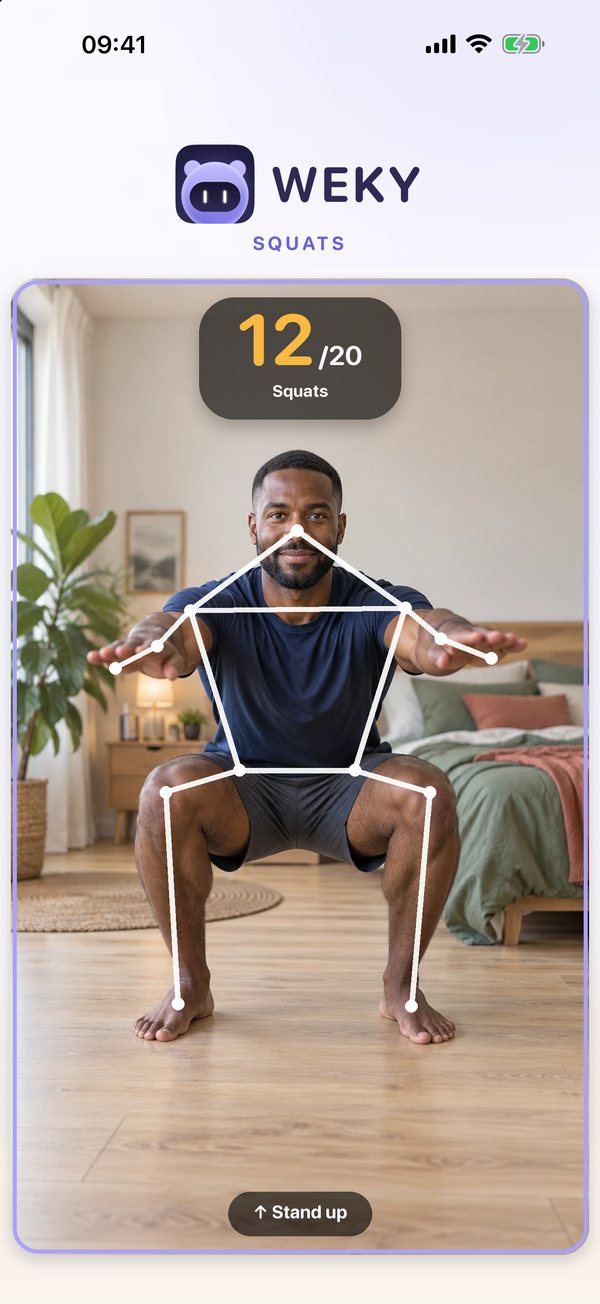

And it rings every time. Weky schedules a real system alarm, so it rings on the lock screen in Silent mode, Sleep, Work or any Focus — even after a force-quit or a restart — without running in the background or draining your battery.
When to see a doctor about severe sleep inertia
Everyone has sleep inertia, and some daytime sleepiness is normal. See a medical professional or sleep specialist if your morning grogginess regularly lasts more than an hour, if you sleep seven to nine hours and still wake exhausted, if you snore loudly or stop breathing at night, or if you have episodes of confusion or unusual behaviour upon waking, or if grogginess affects your daily functioning. These can point to sleep apnea, hypersomnia or another sleep disorder that needs proper diagnosis.
This article is general information, not medical advice.
Frequently asked questions
What is sleep inertia?
Sleep inertia is the temporary grogginess, slowed thinking and strong urge to go back to sleep that you feel right after waking up. Reaction time, memory and decision-making are impaired until it wears off.
How long does sleep inertia last?
Usually 15 to 30 minutes, though the strongest effects are in the first few minutes and some impairment can last up to an hour or more after short sleep or waking from deep sleep.
How can you get rid of sleep inertia?
Get up and move, expose yourself to bright light, drink some water, and give your brain a task. Over the longer term, get enough sleep on a regular schedule and avoid waking from deep sleep — for naps, keep them under about 20–30 minutes.
What does sleep inertia feel like?
Heavy limbs, foggy thinking, slow reactions, irritability, sometimes brief disorientation about where you are or what time it is — and a powerful desire to lie back down.
Why is it so hard to wake up from a nap?
Naps longer than about 30 minutes can reach deep (slow-wave) sleep, and waking from deep sleep produces the strongest sleep inertia. Short naps tend to stay in lighter sleep.
Is sleep inertia a symptom of ADHD?
Not on its own — everyone experiences sleep inertia. But many people with ADHD have a delayed body clock and irregular sleep, which can make morning grogginess stronger and longer. A doctor can help if it's severe.
Does hitting snooze make sleep inertia worse?
The evidence is mixed. One lab study found a 30-minute snooze period didn't worsen grogginess for habitual snoozers. The bigger risk is practical: the snooze button is easiest to press during sleep inertia, and that's how short snoozes become oversleeping.
References
- Tassi P, Muzet A. Sleep inertia. Sleep Medicine Reviews, 2000;4(4):341–353.
- Hilditch CJ, McHill AW. Sleep inertia: current insights. Nature and Science of Sleep, 2019;11:155–165.
- Wertz AT, Ronda JM, Czeisler CA, Wright KP. Effects of sleep inertia on cognition. JAMA, 2006;295(2):163–164.
- Hilditch CJ, Short M, Van Dongen HPA, et al. Sleep inertia during a simulated 6-h on/6-h off fixed split duty schedule. Chronobiology International, 2016;33(6):685–696.
- Sundelin T, Landry S, Axelsson J. Is snoozing losing? Why intermittent morning alarms are used and how they affect sleep, cognition, cortisol, and mood. Journal of Sleep Research, 2024;33(3):e14054.
- McFarlane SJ, Garcia JE, Verhagen DS, Dyer AG. Alarm tones, music and their elements: analysis of reported waking sounds to counteract sleep inertia. PLOS ONE, 2020;15(1):e0215788.
- Bijlenga D, Vollebregt MA, Kooij JJS, Arns M. The role of the circadian system in the etiology and pathophysiology of ADHD. ADHD Attention Deficit and Hyperactivity Disorders, 2019;11(1):5–19.