

To sleep better at night, keep one sleep and wake time every day, get bright light in the morning, stop caffeine at least 6 hours before bedtime, keep your bedroom dark, quiet and around 65 °F (18.3 °C), and get out of bed if you are still awake after about 20 minutes. Most adults need at least 7 hours of sleep each night. If poor sleep lasts longer than three months, cognitive behavioural therapy for insomnia (CBT‑I) — not a pill — is the first‑line treatment.
That is the short version. Below is the long one: which tips to sleep better are worth your time, which ones are folklore, and where the evidence actually points. Trouble sleeping is not a niche complaint — nearly a third of American adults sleep 6 hours or less, and roughly 1 in 6 has trouble falling asleep most days or every day. If you are reading this at 2 a.m., you have plenty of company.
Key takeaways
- Regularity beats duration. In a study of 60,977 people, sleep regularity predicted mortality risk better than how many hours a night you sleep.
- Caffeine lasts longer than you think. 400 mg taken 6 hours before bed cut objectively measured sleep by more than an hour — and drinkers did not notice.
- Cool, dark, quiet. Aim for about 65 °F (18.3 °C) and light levels as low as you can get them.
- Alcohol is a sedative, not a sleep aid. It helps you fall asleep and then makes it harder to stay asleep, fragmenting the second half of the night.
- Chronic insomnia has a real treatment. The American College of Physicians recommends CBT‑I for every adult before medication.
How many hours of sleep are enough?
The CDC's recommended amount of sleep depends on age. Adults need at least 7 hours; teenagers need more, and school‑age children need more still.
The American Academy of Sleep Medicine and the Sleep Research Society reached the same figure in a joint consensus statement, after a 15‑expert panel reviewed more than 5,300 studies: adults should sleep 7 or more hours a night on a regular basis. Routinely sleeping less is associated with weight gain and obesity, diabetes, hypertension, heart disease and stroke, depression, and a higher risk of death — which is why lack of sleep is treated as a health risk rather than a lifestyle quirk.
| Age group | Recommended hours of sleep per day |
|---|---|
| Teen (13–17) | 8–10 hours |
| Adult (18–60) | 7 or more hours |
| Adult (61–64) | 7–9 hours |
| Adult (65+) | 7–8 hours |
Treat those numbers as a floor, not a target to hit exactly. The more useful question is whether you feel sleepy during the day. If you need an alarm to survive every morning, doze off in meetings, or fall asleep within five minutes of your head hitting the pillow, you are probably not getting enough quality sleep — regardless of what the number on your tracker says.
And the hours are only half the story. When researchers scored 60,977 UK Biobank participants on a Sleep Regularity Index built from over 10 million hours of accelerometer data, the people with the most consistent sleep and wake times had a 20–48% lower risk of all‑cause mortality than the least regular group. Sleep regularity was a stronger predictor than sleep duration. Seven ragged hours scattered across the week is worse than seven steady ones.
Why sleep is essential for your body and mind
Sleep is not downtime. Overnight your brain clears metabolic waste, consolidates what you learned during the day, and rebalances the hormones that govern appetite and stress. That is why sleep now sits beside diet and exercise as one of the core health topics in public health guidance rather than as a lifestyle extra.
When you don't get enough sleep, the cost arrives on two timescales:
- The next day: slower reaction times, a shorter fuse, worse concentration and measurably poorer judgement.
- Within a week: higher blood pressure, raised cortisol, and a stronger pull towards high-calorie food.
- Long‑term sleep loss is associated with obesity, type 2 diabetes, cardiovascular disease, depression and a higher risk of death.
The reverse is the encouraging part. Getting quality sleep is one of the highest‑return things you can do for your body and mind, and unlike most health advice it costs nothing. Restful sleep is not a luxury item; it is the maintenance window everything else runs on.
Why is my body not letting me sleep at night?
Falling asleep is not a decision. It is the result of two biological systems lining up, and most sleep problems are one of them being out of position.
Your circadian rhythm is running late
An internal clock in your brain decides when you feel alert and when you feel sleepy, and it is set primarily by light. Dim mornings and bright evenings push that clock later, which is why you can be exhausted at 9 p.m. and wide awake at midnight. The effect is dramatic in both directions: when researchers sent people camping for a week with no electric light, their internal clocks shifted roughly two hours earlier, and the difference between night owls and early birds shrank.
You have not built up enough sleep pressure
Adenosine accumulates in your brain during every waking hour and creates the drive to sleep. Long naps late in the day drain it. So does caffeine, which does not remove adenosine — it just blocks the receptors so you cannot feel it.
Your body is not cooling down
Core body temperature has to drop about 1 °C for sleep to begin. A hot bedroom, a heavy duvet, or a late intense workout can all stall that drop and make it harder to fall asleep.
Your mind will not stop
Stress and anxiety keep the nervous system in a state that is incompatible with sleep. If you have spent weeks lying awake worrying about lying awake, the bed itself may have become a cue for alertness — the central mechanism behind chronic insomnia.
10 tips to improve your sleep hygiene
These are the highest‑leverage ways to improve sleep quality, roughly in order of how much they matter. Each one moves the quality of sleep you actually get, not just the hours you spend in bed. None of them are exotic, and all of them come out of sleep medicine research rather than wellness marketing.
1. Pick one wake time and keep it every day
One fixed wake time — weekends included — is the single most powerful lever you have, because it anchors your circadian rhythm and guarantees sleep pressure builds on schedule. Set the wake time first and let bedtime follow. A "lie‑in" on Saturday is a two‑hour flight west, and Monday morning is the jet lag.
2. Get bright light within an hour of waking
Morning light is the signal that sets your clock, and outdoor light is 10–100× brighter than a lit room even on an overcast day. Ten to twenty minutes outside after you get up will do more for your nighttime sleep than anything you do in the evening.
3. Stop caffeine at least 6 hours before bedtime
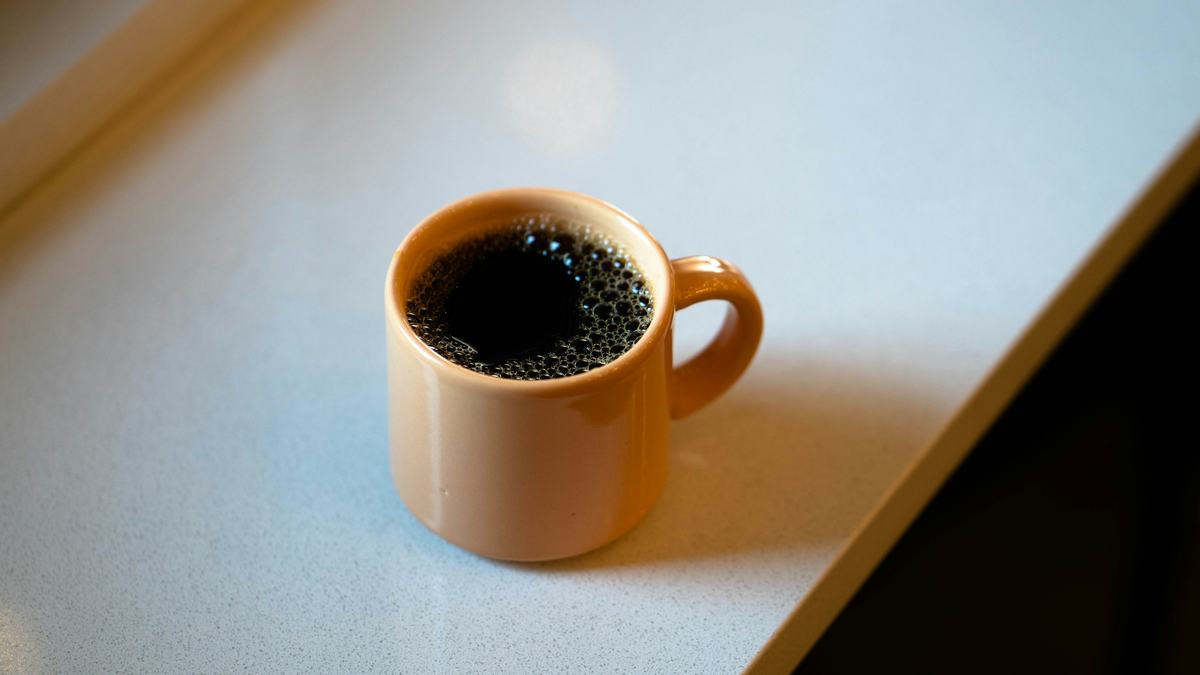
In a controlled trial, 400 mg of caffeine — roughly a large coffee — taken 0, 3, or 6 hours before bed all significantly disrupted sleep. At the 6‑hour mark, objectively measured sleep time fell by more than an hour, and participants had no idea it had happened. Caffeine's half‑life is about 5–6 hours, so a 4 p.m. coffee still has half its dose working at 10 p.m. If you sleep badly, a 2 p.m. cut‑off is a fairer test than a 6 p.m. one.
4. Treat alcohol as a sedative, not a nightcap
Alcohol shortens the time it takes to get to sleep and consolidates the first half of the night — then fragments the second half and delays the onset of your first REM period. That is the 3 a.m. wake‑up with a dry mouth and a racing heart. At moderate doses it also cuts total REM sleep substantially.
5. Make sure your bedroom is cool, dark and quiet
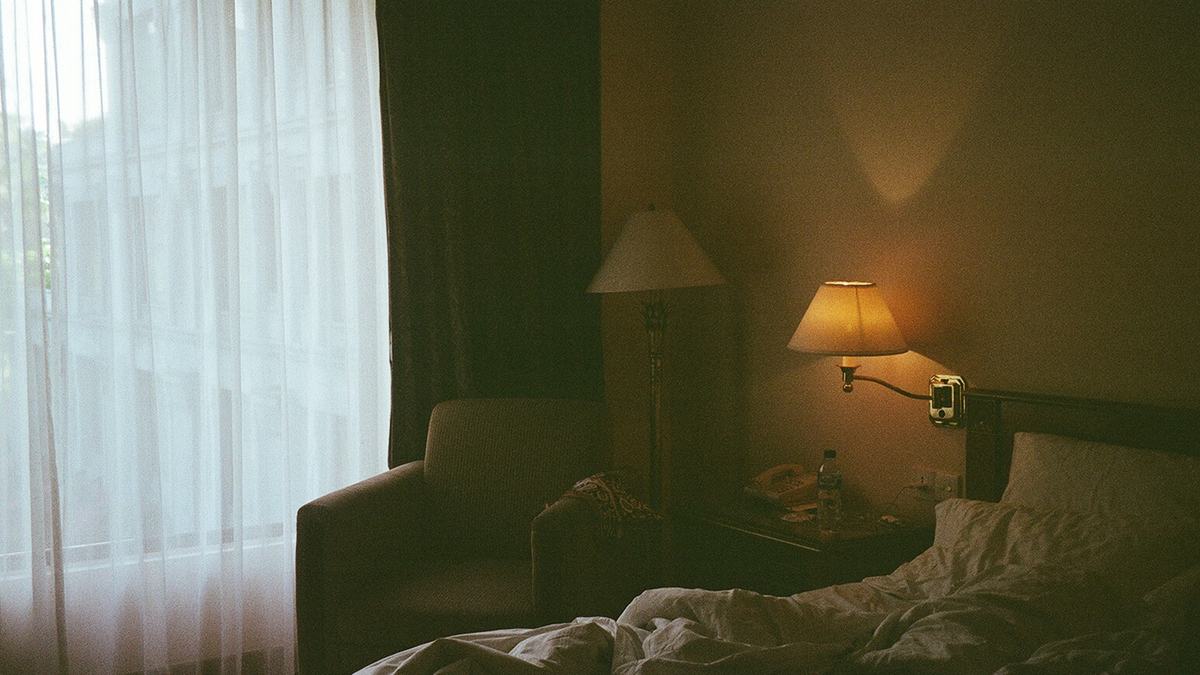
The Sleep Foundation puts the ideal bedroom temperature at about 65 °F (18.3 °C). Keep light as low as possible — exposure to as little as 10 lux later in the evening is associated with more nighttime awakenings — and block or mask outside noise with earplugs, a fan, or white noise. Blackout curtains and a cheap eye mask are the highest return‑on‑investment purchases in all of sleep hygiene.
6. Take a warm bath or shower 1–2 hours before bed
It sounds backwards, but warming your skin drives blood to the surface and accelerates the core‑temperature drop that triggers sleep. A meta‑analysis of 17 studies found that water at 40–42.5 °C, as little as 10 minutes, 1–2 hours before going to bed shortened the time to fall asleep by an average of about 10 minutes.
7. Get regular physical activity — but not right before bed
A meta‑analytic review of 66 studies found that both single sessions and regular physical activity improved total sleep time, sleep efficiency, sleep onset latency and sleep quality, across everything from yoga to resistance training. Timing is more forgiving than people assume; only genuinely intense exercise in the last hour or two before bed tends to interfere with sleep.
8. Build a 30‑minute wind‑down that does not involve your phone
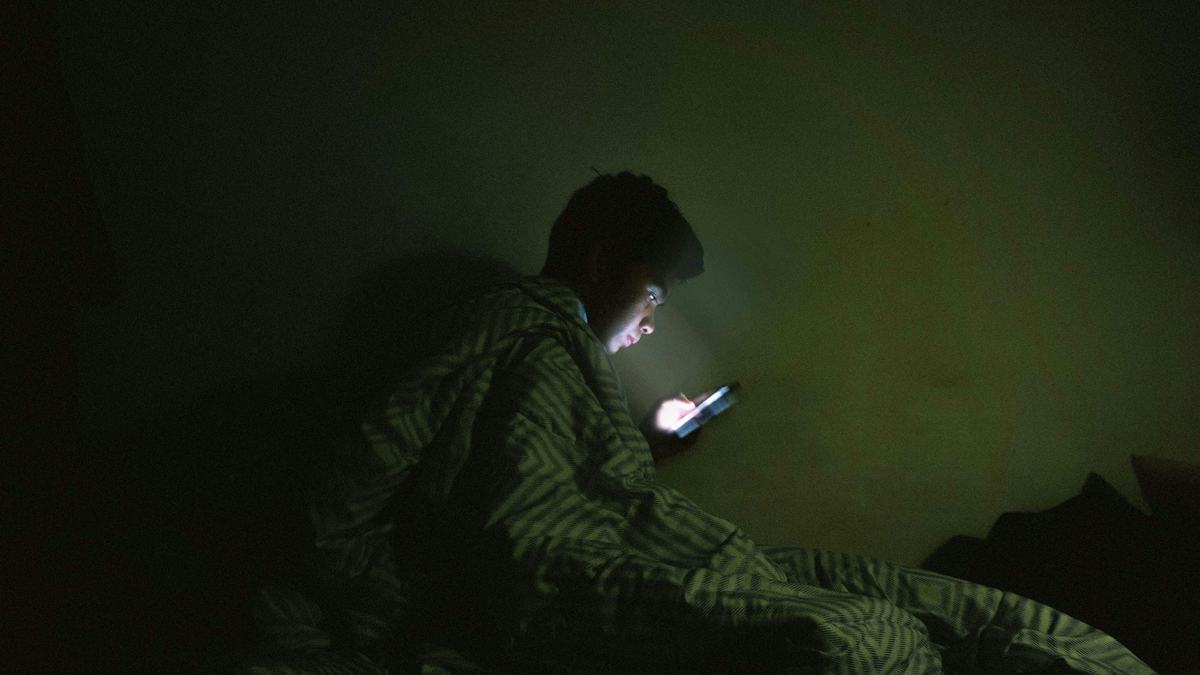
The problem with screens close to bedtime is only partly the light — it is that feeds, email and news are engineered to keep you engaged. Reading a book, stretching, a warm drink, or a deliberate relaxation technique — slow breathing, progressive muscle relaxation — all work because they are boring in the specific way sleep requires. Pick the same sequence every night so your brain learns it means sleep is coming.
Willpower is the wrong tool for this one. The apps are better at their job than you are at resisting them, and "I'll just check it once" at 11 p.m. is how an hour disappears. It works far better to make the distraction unavailable than to keep deciding against it — put the phone on a charger in another room, or block the offending apps on a schedule so the choice is already made. Our own app, Weky, does the second one: its Bedtime App Lock lets you pick the apps that cost you the most nights — the feeds, the video app, the inbox — and iOS keeps them shut for the window you set. When the thing you reach for simply does not open, the wind-down stops depending on discipline.
9. Use the 20‑minute rule
If you are still awake after roughly 20 minutes — do not clock‑watch, just estimate — get up, go to another room, keep the lights low, and do something dull until you feel sleepy. This is called stimulus control, and it is a core component of CBT‑I. Lying in bed frustrated teaches your brain that bed is where you are awake, which is exactly the association you are trying to break.
10. Keep naps short and early
A 10–20 minute nap before mid‑afternoon can help with alertness without stealing sleep pressure from the night. A 90‑minute nap at 6 p.m. will cost you.
What to stop, and how many hours before bedtime
A single reference table for the things that most commonly disrupt sleep:
| Substance or activity | Stop this long before bed | Why |
|---|---|---|
| Caffeine | 6+ hours (8 if sensitive) | Blocks adenosine; ~5–6 hour half‑life |
| Nicotine | 2+ hours | Stimulant; withdrawal fragments the night |
| Alcohol | 3–4 hours | Fragments the second half of sleep, suppresses REM |
| Large meals | 2–3 hours | Reflux and digestion interfere with sleep |
| Intense exercise | 1–2 hours | Raises core temperature and arousal |
| Screens and work | 30–60 minutes | Light plus cognitive arousal delay sleep onset |
| Long naps | After 3 p.m. | Discharges the sleep pressure you need at night |
| Fluids | 1–2 hours | Reduces overnight bathroom trips |
A 7‑day reset: simple tips to build better sleep habits
None of this works as a single heroic night. Sleep habits are built by repetition, and one week of consistency is usually enough to see your sleep patterns start to shift. Stack one change at a time rather than attempting all ten at once:
| Day | The one change | What it does |
|---|---|---|
| 1–2 | Fix your wake time; get outside within an hour of it | Anchors the clock, so your body knows when it is time to sleep |
| 3 | Move your last coffee to 6+ hours before bed | Removes the most common hidden cause of being wide awake at night |
| 4 | Cool and darken the bedroom | Lets core temperature fall — the shift that helps promote sleep |
| 5 | Warm shower about two hours before bed | Passive body heating can help you fall asleep faster |
| 6 | A 30-minute wind-down; phone out of the room | The hour before bed largely decides how long you lie there |
| 7 | Apply the 20-minute rule instead of lying there | Breaks the bed-equals-alertness association |
If you only have the appetite for one of them, make it the wake time. It does more to improve your sleep quality than the other six put together, and it is the change that makes the rest possible. Give it two weeks before you judge it: the first few days of a reset feel worse, not better, because you are finally building sleep pressure. Stick with it and the pattern flips — you get the sleep you need, and you are asleep at night instead of staring at the ceiling.
What is the 3‑3‑3 rule for sleep?
The "3‑3‑3 rule" is a popular bedtime shorthand: no alcohol 3 hours before bed, no food 3 hours before bed, and no work or screens 3 hours before bed. Some versions swap in caffeine or "no snoozing three times."
It is a memorable packaging of real advice, but it is not a clinical guideline and no sleep organisation publishes it. The timings are also uneven — 3 hours is generous for food and far too short for caffeine. Use it as a rough rhythm if it helps; use the table above if you want the evidence.
(Note: a different "3‑3‑3 rule" is a grounding technique for anxiety — name three things you see, hear, and can move. Both circulate online, so context matters.)
Does melatonin help you sleep better?
Melatonin is a timing signal, not a sedative. It tells your body it is night; it does not knock you out. That makes it genuinely useful for jet lag and shift work, and much less useful as a general sleeping pill — which is how most people use it.
If you try it, the evidence favours a low dose (0.5–1 mg, far less than most supermarket bottles) taken a few hours before your target bedtime rather than right before bed. Supplements are loosely regulated and actual content often differs from the label. Talk to a health care provider before starting it, especially if you take other medication.
When to talk to a health care provider
Sleep hygiene fixes ordinary bad sleep. It does not fix a sleep disorder. See a doctor if you have any of these:
- Trouble falling asleep or staying asleep at least three nights a week for more than three months
- Loud snoring, gasping, or witnessed pauses in breathing — the classic signs of sleep apnea
- Persistent daytime sleepiness despite getting enough sleep
- An irresistible urge to move your legs at night
- Acting out dreams, or falling asleep suddenly during the day
For chronic insomnia specifically, there is a treatment that works better than sleeping pills and keeps working after you stop. The American College of Physicians recommends that all adults with chronic insomnia disorder receive cognitive behavioural therapy for insomnia as the initial treatment, with medication considered only if CBT‑I alone was unsuccessful. It combines sleep restriction, stimulus control and cognitive work, and it is available through apps and digital programmes as well as clinicians.
This article is general information, not medical advice. Sleep is essential to your mental and physical health — if yours has been bad for months, that is worth a real appointment.
Your wake time is half of your sleep schedule
Almost every list of sleep tips is written about the night. But you cannot directly control when you fall asleep — you can only control when you get up, and the getting up sets everything else. A consistent wake time is what fixes the schedule, builds the sleep pressure and delivers the morning light.
Which is where most people quietly lose. The alarm goes off, the snooze button is right there, and the whole plan dissolves at 6:47 a.m. Research on snoozing is more forgiving than you would expect — a 2023 study found 30 minutes of snoozing did not meaningfully harm sleep and may ease grogginess on waking — but that study measured people who then got up. It says nothing good about the mornings where snooze wins for an hour and your wake time drifts by ninety minutes.
If your problem is not knowing what to do but doing it at the moment it counts, the fix is structural rather than motivational. Close the night end by putting the distracting apps out of reach on a schedule, and close the morning end by making getting up require an action you cannot perform half‑asleep — with no snooze button to fall back on. That is the pair Weky is built around: it locks the apps that keep you up, then refuses to go quiet until you have completed a real mission the next morning. Sleeping better at night and actually getting up are the same problem, approached from both ends.
Frequently asked questions
What helps you sleep better at night?
The most effective changes are a fixed wake time every day, bright light in the morning, no caffeine within 6 hours of bedtime, a bedroom that is dark, quiet and around 65 °F (18.3 °C), and getting out of bed if you have been awake about 20 minutes. Regular physical activity and a screen‑free wind‑down help too.
How can I fall asleep faster?
A warm bath or shower 1–2 hours before going to bed shortens sleep onset by roughly 10 minutes on average. Beyond that, falling asleep faster is mostly a by‑product of enough sleep pressure and a calm nervous system: consistent wake time, no long naps late in the day, and no caffeine or work right before bed.
Why do you sleep better at night than during the day?
Your circadian rhythm times the release of melatonin and drops your core body temperature after dark, and darkness itself removes the strongest signal keeping you awake. Daytime sleep fights all three, which is why shift workers get shorter, lighter and more fragmented sleep even in a blacked‑out room.
Is it bad to lie in bed awake?
Yes, if it becomes a pattern. Repeatedly lying awake trains your brain to associate the bed with alertness. After about 20 minutes, get up, keep the lights low, and return only when you feel sleepy.
What is the fastest way to get a good night's sleep?
There is no switch, but the fastest-acting changes are a warm shower about two hours before bed, a cool dark room, and no caffeine after mid-afternoon. Those three can help you fall asleep faster tonight. Getting a better night's sleep every night is a different job: that takes one or two weeks of a fixed wake time.
What are the most common sleep problems?
The most common sleep disorders are insomnia, sleep apnea, restless legs syndrome and circadian rhythm disorders such as delayed sleep phase. But everyday disruptors that are not disorders at all — caffeine, alcohol, an over-warm bedroom, an irregular schedule — account for a large share of poor sleep, which is why the tips above are worth trying first.
Do sleep trackers help with sleep?
They help with sleep patterns, not with sleep itself. A tracker is good at showing that your sleep and wake times drift at weekends. Its estimates of sleep stages are rough, though, and fixating on a nightly score can create its own sleep issues — clinicians call that orthosomnia. Use one to spot trends, not to grade your night.
How can I clear my mind before bed?
Write tomorrow down. A two-minute "worry dump" on paper before your wind-down is one of the simple tips to help you clear your mind, and it beats trying not to think. If you are still racing after 20 minutes in bed, get up — see the 20-minute rule above.
How long does it take to fix a bad sleep schedule?
Expect one to two weeks of consistency before your circadian rhythm settles, and longer if you are shifting your sleep and wake times by several hours. The first three or four days are usually the worst — that is sleep pressure doing its job.
References
- Centers for Disease Control and Prevention. About Sleep — recommended hours of sleep by age group.
- National Center for Health Statistics. Short Sleep Duration and Sleep Difficulties Among Adults: United States, 2024. NCHS Data Brief No. 559.
- Watson NF, Badr MS, Belenky G, et al. Recommended amount of sleep for a healthy adult: a joint consensus statement of the American Academy of Sleep Medicine and Sleep Research Society. Sleep, 2015;38(6):843–844.
- Windred DP, Burns AC, Lane JM, et al. Sleep regularity is a stronger predictor of mortality risk than sleep duration. Sleep, 2024;47(1):zsad253.
- Drake C, Roehrs T, Shambroom J, Roth T. Caffeine effects on sleep taken 0, 3, or 6 hours before going to bed. Journal of Clinical Sleep Medicine, 2013;9(11):1195–1200.
- Ebrahim IO, Shapiro CM, Williams AJ, Fenwick PB. Alcohol and sleep I: effects on normal sleep. Alcoholism: Clinical and Experimental Research, 2013;37(4):539–549.
- Haghayegh S, Khoshnevis S, Smolensky MH, et al. Before‑bedtime passive body heating by warm shower or bath to improve sleep: a systematic review and meta‑analysis. Sleep Medicine Reviews, 2019;46:124–135.
- Kredlow MA, Capozzoli MC, Hearon BA, et al. The effects of physical activity on sleep: a meta‑analytic review. Journal of Behavioral Medicine, 2015;38(3):427–449.
- Wright KP, McHill AW, Birks BR, et al. Entrainment of the human circadian clock to the natural light‑dark cycle. Current Biology, 2013;23(16):1554–1558.
- Qaseem A, Kansagara D, Forciea MA, et al. Management of chronic insomnia disorder in adults: a clinical practice guideline from the American College of Physicians. Annals of Internal Medicine, 2016;165(2):125–133.
- Sundelin T, Bayard F, Schwarz J, et al. Is snoozing losing? Why intermittent morning alarms are used and how they affect sleep, cognition, cortisol, and mood. Journal of Sleep Research, 2024;33(3):e14054.
- Sleep Foundation. The Best Temperature for Sleep and Bedroom Environment.
- Mayo Clinic. Sleep tips: 6 steps to better sleep.